
Can wisdom from thousands of years ago actually help you live better today? Vaastu shastra proves it can.
This ancient Indian architectural science has guided building design for centuries, and its core principles remain remarkably relevant for modern homes and workplaces. The challenge isn’t whether these ideas work. It’s learning how to apply them in contemporary contexts.
Many people dismiss vaastu shastra as an outdated superstition without understanding what it actually teaches. Others follow rules rigidly without grasping underlying principles. Both approaches miss the point entirely. The real power comes from understanding why certain arrangements affect human wellbeing, then adapting that knowledge thoughtfully.
What Vaastu Shastra Actually Means
The term vaastu shastra translates roughly to “science of dwelling” or “architecture knowledge.” It originated in ancient India as a systematic approach to creating harmonious living and working spaces. Unlike purely aesthetic design, vaastu shastra addresses how spatial arrangements affect people who use them.
This system recognizes that buildings aren’t just physical shelters. They’re energy environments that influence mood, health, relationships, and success. Vaastu shastra provides frameworks for understanding these influences and for intentionally optimizing them.
The principles developed through centuries of observation about what worked and what didn’t. Ancient builders noticed patterns between spatial arrangements and human outcomes. They codified these observations into guidelines that, while expressed in traditional language, describe real phenomena modern science increasingly validates.
The Five Elements Foundation
Vaastu shastra is based on five fundamental elements found throughout nature. Earth, water, fire, air, and space each carry distinct qualities affecting how environments feel and function.
Earth provides stability and grounding. In vaastu shastra, earth energy dominates the southwest, making this direction ideal for heavy furniture, master bedrooms, and anything requiring permanence. Feeling scattered or unstable often indicates a lack of earth energy in your space.
Water represents flow, abundance, and emotional connection. Northeast areas resonate strongest with water according to vaastu shastra. Blocked northeast corners can restrict opportunities and emotional well-being. Fountains, aquariums, or water imagery enhance this element when needed.
Fire governs transformation, activity, and digestion. Southeast naturally holds fire energy, making it ideal for kitchens. Vaastu shastra warns against placing fire in certain locations, as misplaced fire creates conflict and restlessness rather than productive transformation.
Air brings movement, freshness, and change. Northwest connects with air energy. Good ventilation throughout any space honours this element. Stagnant air creates stagnant circumstances according to vaastu shastra principles.
Space allows everything else to exist. The center of any building, called Brahmasthan, should remain open and uncluttered for energy to circulate properly. Vaastu shastra emphasizes honouring space through thoughtful arrangement rather than cramming rooms full.
Directional Significance Explained
Each cardinal and intercardinal direction carries specific influences in vaastu shastra. Understanding these helps explain why certain room placements feel right while others create persistent problems.
North attracts opportunities and governs career matters. Vaastu shastra recommends keeping the north relatively open and using it for entrances or workspaces when possible. Blocked north areas can limit professional growth.
East brings health, vitality, and new beginnings. Morning sunlight from the east carries beneficial energy according to vaastu shastra. Living areas and spaces you use when you wake up benefit from an eastern placement or orientation.
South provides stability, reputation, and recognition. Vaastu shastra considers the south strong but intense. Master bedrooms often work well in southern zones because sleep requires grounding stability.
West supports strength, gains, and children’s well-being. Western areas are suitable for storage, staircase, and children’s bedrooms according to traditional vaastu shastra guidelines.
Northeast combines the qualities of water and air, making it the most spiritually significant direction in vaastu shastra. Keep this zone light, clean, and open. Bathrooms or heavy storage here create significant problems.
Southeast holds fire energy, ideal for kitchens. Southwest provides maximum stability for master bedrooms. Northwest facilitates movement and suits guest rooms or spaces requiring frequent activity.
Modern Challenges To Ancient Rules
Contemporary architecture presents challenges that ancient vaastu shastra texts couldn’t anticipate. Apartment buildings with fixed layouts, open floor plans without clear room divisions, and unconventional building shapes all require creative adaptation.
Strict literal interpretation often proves impossible. Your apartment’s kitchen might be in the northeast because the builders didn’t consider vaastu shastra. You can’t relocate it. Does this mean you’re doomed to bad fortune? Absolutely not.
Modern vaastu shastra practice focuses on working within constraints rather than demanding impossible changes. Remedies compensate for structural issues. Internal arrangements optimize your layout. The principles remain valid even when perfect application isn’t achievable.
Understanding why vaastu shastra recommends certain arrangements helps you find creative solutions. A northeast kitchen creates problems because fire energy conflicts with water energy in that zone. Remedies that balance these elements, like earth-tone colours or specific placements, reduce negative effects without requiring renovation.
Adapting Principles For Contemporary Homes
Today’s homes function differently from ancient dwellings. We have electricity, eliminating dependence on natural light. Climate control reduces directional sun considerations. Multiple family members may need home office spaces. Vaastu shastra must adapt to serve modern needs.
Home offices barely existed when vaastu shastra developed, yet millions now work from home. Applying principles thoughtfully means positioning desks facing north or east for mental clarity, ensuring solid support behind the seating, and keeping workspaces organized. These adaptations honour positive energy principles without requiring ancient room configurations.
Open floor plans challenge traditional vaastu shastra room assignments. When your kitchen, dining, and living areas flow together without walls, how do you apply room-specific guidelines? Focus on activity zones rather than physical rooms. The cooking area adheres to kitchen principles regardless of the walls. Seating areas follow living room guidelines.
Small apartments with limited layout options benefit from the emphasis of Vaastu Shastra on balancing elements, decluttering, and intentional arrangement within the available space. You might not control room locations, but you control furniture placement, colours, and objects within those rooms.
The Science Behind The Tradition
Modern research increasingly validates vaastu shastra principles, though using different terminology. Studies on sleep direction find that magnetic field alignment affects rest quality, confirming traditional recommendations about head positioning. Light exposure research supports emphasis on eastern orientation and natural illumination.
Environmental psychology examines how spatial arrangements affect mood and behaviour. Findings on the negative psychological impact of clutter align with Vaastu Shastra’s consistent emphasis on organization. Research on a home’s energy efficiency and airflow patterns echoes traditional ventilation recommendations.
This scientific validation doesn’t mean ancient practitioners understood modern physics. Rather, centuries of careful observation produced guidelines that happen to align with what science now measures. Vaastu shastra encoded practical wisdom in traditional language that deserves respect rather than dismissal.
The placebo effect arguments fail to explain why principles work even for skeptics and why specific recommendations produce consistent results across different people and cultures. Something real operates beyond mere belief.
Room By Room Modern Application
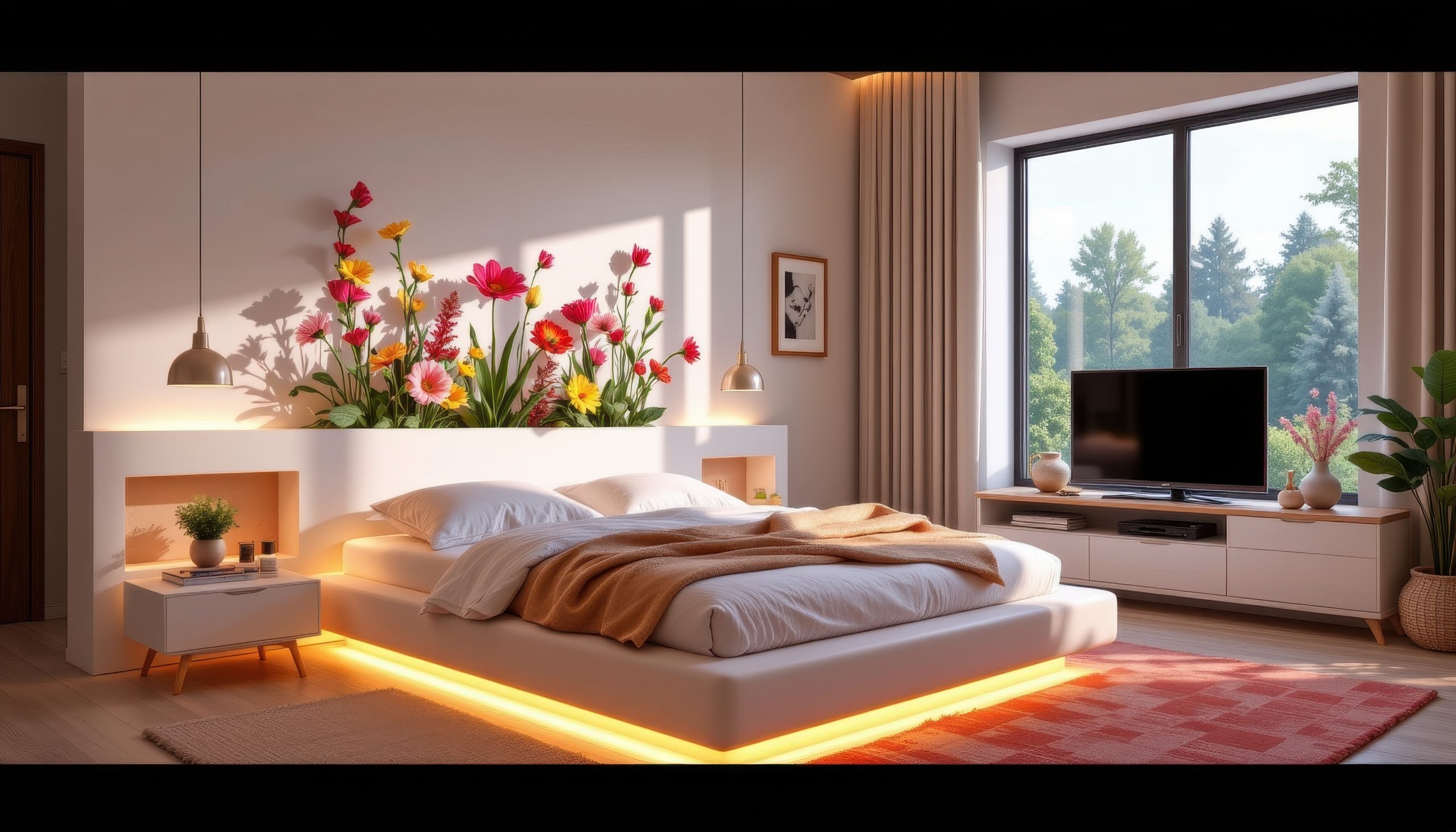
Bedrooms remain critical in vaastu shastra because you spend significant unconscious hours there. Modern applications prioritize head direction toward south or east, a solid wall behind the headboard, electronics removed or kept away from the sleeping position, and calming colours. These work regardless of which direction your bedroom faces overall.
Kitchens affect family nourishment and health. Face east while cooking, regardless of kitchen location. Keep cooking areas clean and organized. Separate fire elements from water elements when possible. These vaastu shastra kitchen principles adapt easily to any modern layout.
Living rooms host family connection and social activity. Arrange seating for conversation rather than all facing screens. Keep the center relatively open for energy circulation. Ensure adequate natural light. These contemporary applications honor vaastu shastra without requiring specific room placement.
Bathrooms drain energy in any location, according to Vaastu Shastra. Keep doors closed when not in use. Ensure good ventilation. Use earth tones to ground excessive water energy. Fix any leaks promptly. These practices minimize bathroom impact regardless of placement.
Common Misconceptions Addressed
Many people believe vaastu shastra requires expensive renovations. In reality, most improvements involve rearranging existing elements, adjusting colours, and placing remedies strategically. Structural changes sometimes help but rarely prove essential.
Another misconception suggests vaastu shastra conflicts with modern design aesthetics. Actually, many principles align with good design practice. Natural light, clear pathways, organized spaces, and balanced arrangements appeal to the eye while satisfying vaastu shastra requirements.
Some assume that vaastu shastra applies only to Hindu households. The principles address universal human responses to spatial arrangements. People worldwide from all backgrounds benefit from thoughtful environmental design. Cultural or religious belief isn’t required.
The idea that vaastu shastra guarantees specific outcomes also misleads. These principles create favourable conditions but don’t override other life factors. Think of vaastu shastra as removing environmental obstacles rather than magically producing results. You still must take action within improved circumstances.
Working With Professional Guidance
Complex situations benefit from professional consultation. Experienced practitioners understand how to apply vaastu shastra within specific constraints and can identify issues you might miss. They distinguish between critical corrections and minor optimizations.
Quality consultants explain the reasoning behind recommendations rather than just issuing rules. Understanding why helps you maintain your principles over the long term and adapt when circumstances change. At Infinity Destiny, consultations integrate vaastu shastra with numerology to provide comprehensive guidance on both environmental and personal energy patterns.
Professional analysis proves especially valuable for transforming spaces with significant challenges or before major decisions like home purchases. Investment in consultation often prevents costly mistakes and accelerates positive results.
Even without professional help, learning the basics of vaastu shastra can lead to meaningful improvements. Start with simple adjustments. Observe results. Gradually deepen understanding through experience. Small, consistent changes often produce more sustainable results than dramatic overhauls.
Practical Starting Points
Begin with decluttering, especially in the northeast and center of your home. This simple practice costs nothing and produces immediate effects. Vaastu shastra consistently emphasizes that accumulated stuff blocks energy flow everywhere.
Next, evaluate your bedroom. Adjust head direction if currently facing north. Remove or distance electronics. Create a calm, supportive sleep environment. These changes affect roughly one-third of your life.
Assess natural light and ventilation. Open curtains during the day. Air out rooms regularly. These practices honour multiple vaastu shastra principles simultaneously without requiring any purchases or construction.
Notice how different areas of your home feel. Where do you naturally relax versus feel uncomfortable? These intuitive responses often align with vaastu shastra analysis. Your body already knows what your mind might not consciously recognize.
Frequently Asked Questions (FAQs)
1. Is vaastu shastra a religious practice requiring specific beliefs?
Vaastu shastra is an architectural science, not religion. It addresses how spatial arrangements affect human well-being through environmental mechanisms that operate regardless of belief.
People from all religious backgrounds and those with no religious affiliation successfully apply vaastu shastra principles. The practices work through physical and psychological effects of spatial design rather than spiritual faith. Approach it as practical environmental optimization if that feels more comfortable than traditional framing.
2. Can vaastu shastra principles apply to rented apartments with fixed layouts?
Absolutely. While you cannot change structural elements in rentals, vaastu shastra offers many adjustments within your control. Furniture arrangement, colour choices through bedding and decor, strategic object placement, and decluttering all shift energy without requiring landlord permission.
Focus on bedroom setup, workspace optimization, and maintaining clean, organized spaces. Even partial adherence to vaastu shastra can lead to noticeable improvements compared to no attention at all.
3. How long before I notice changes after applying vaastu shastra adjustments?
Most people notice subtle shifts within two to four weeks of implementing significant changes. Sleep improvements from bedroom adjustments often appear first. Mood and relationship shifts develop over one to three months.
Major life changes typically require three to six months of sustained alignment with vaastu shastra. Document observations to track gradual improvements that might otherwise go unnoticed. Patience and consistency matter more than dramatic, immediate transformation.
4. Does vaastu shastra conflict with feng shui principles?
Vaastu shastra and feng shui are distinct systems with different origins and methodologies. Vaastu shastra originated in India and emphasizes directional alignment and the balance of the five elements. Feng shui developed in China with different directional associations and element systems. Some concepts overlap since both address environmental energy.
However, randomly mixing recommendations creates confusion. Choose one system and apply it consistently for the clearest results, rather than combining potentially contradictory guidelines from both traditions.
5. What if perfect vaastu shastra compliance is impossible in my home?
Perfect compliance isn’t necessary for meaningful improvement. Vaastu shastra works on a spectrum: greater alignment generally produces better results, but partial application still helps. Focus on what you can control rather than lamenting what you cannot change.
Remedies compensate for structural issues. Prioritize high-impact areas like bedrooms and workspaces. Even 50% adherence to vaastu shastra principles creates noticeably better conditions than ignoring these principles entirely.


